

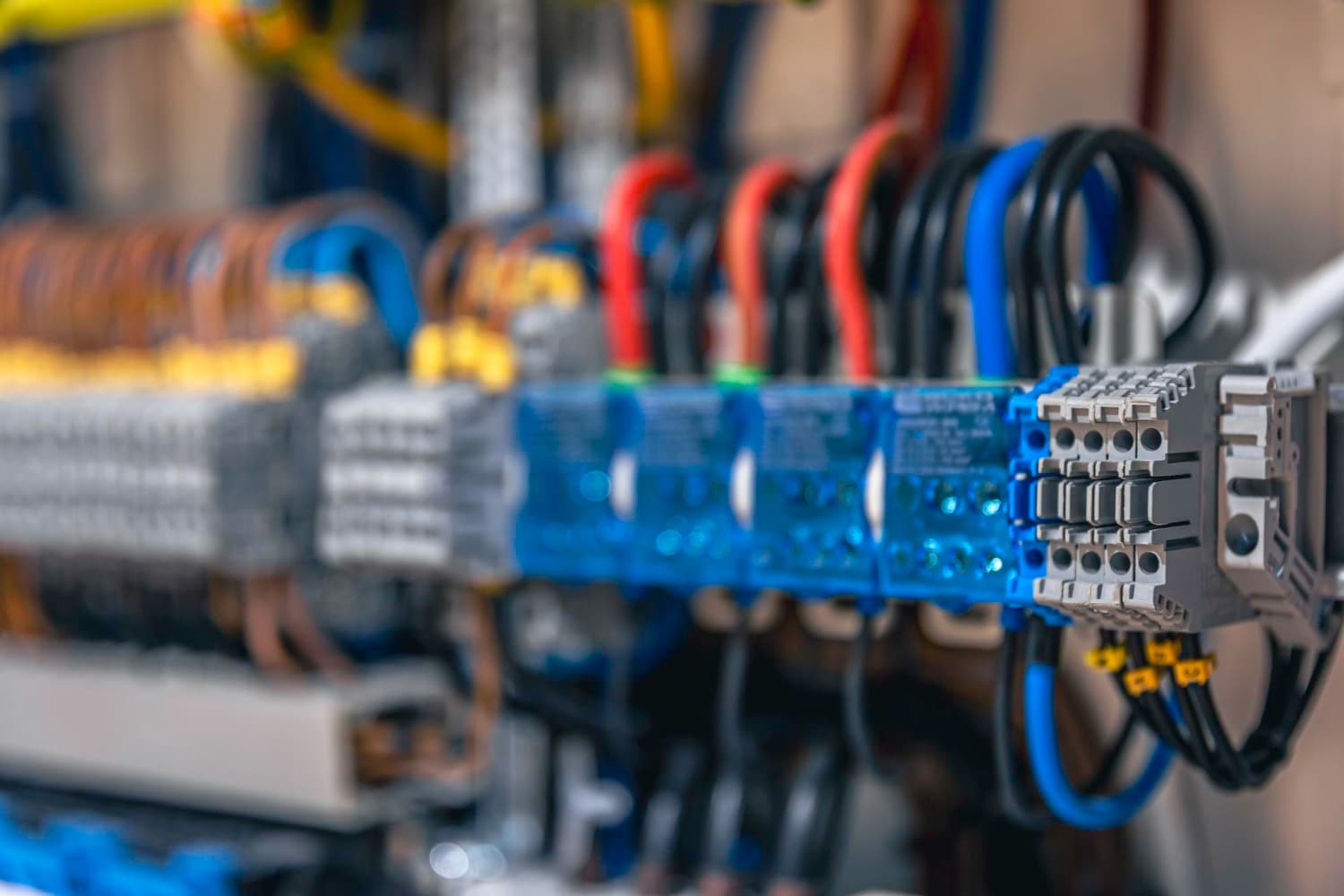
1. Primary Causes of Transformer Overheating
Transformer overheating occurs when the heat generated by internal losses exceeds the cooling capacity of the system.
A. Magnetic Saturation and Electrical Factors
- Over-voltage or $V/f$ Anomaly (Over-excitation): According to Faraday’s Law, magnetic flux ($\Phi$) is proportional to the ratio of Voltage ($V$) to Frequency ($f$).
- If Voltage increases or Frequency decreases, the magnetic flux density ($B$) rises.
- Once $B$ exceeds the saturation point of the core, stray flux increases sharply, causing massive eddy currents in the core, clamps, and tank walls.
- Note: Low voltage does not cause saturation; it is the high $V/f$ ratio that leads to core overheating.
- Continuous Overloading: Increases conductor losses ($I^2R$) proportionally to the square of the current.
- Harmonic Distortion: Non-linear loads induce higher-frequency currents, significantly increasing eddy current losses and skin effect heating.
$字號更改後示意:
算式示意:
$$Z_{base1} = \frac{V_{base1}^2}{S_{base}} = \frac{2400^2}{50000} = \frac{5,760,000}{50,000} = 115.2 \ \Omega$$